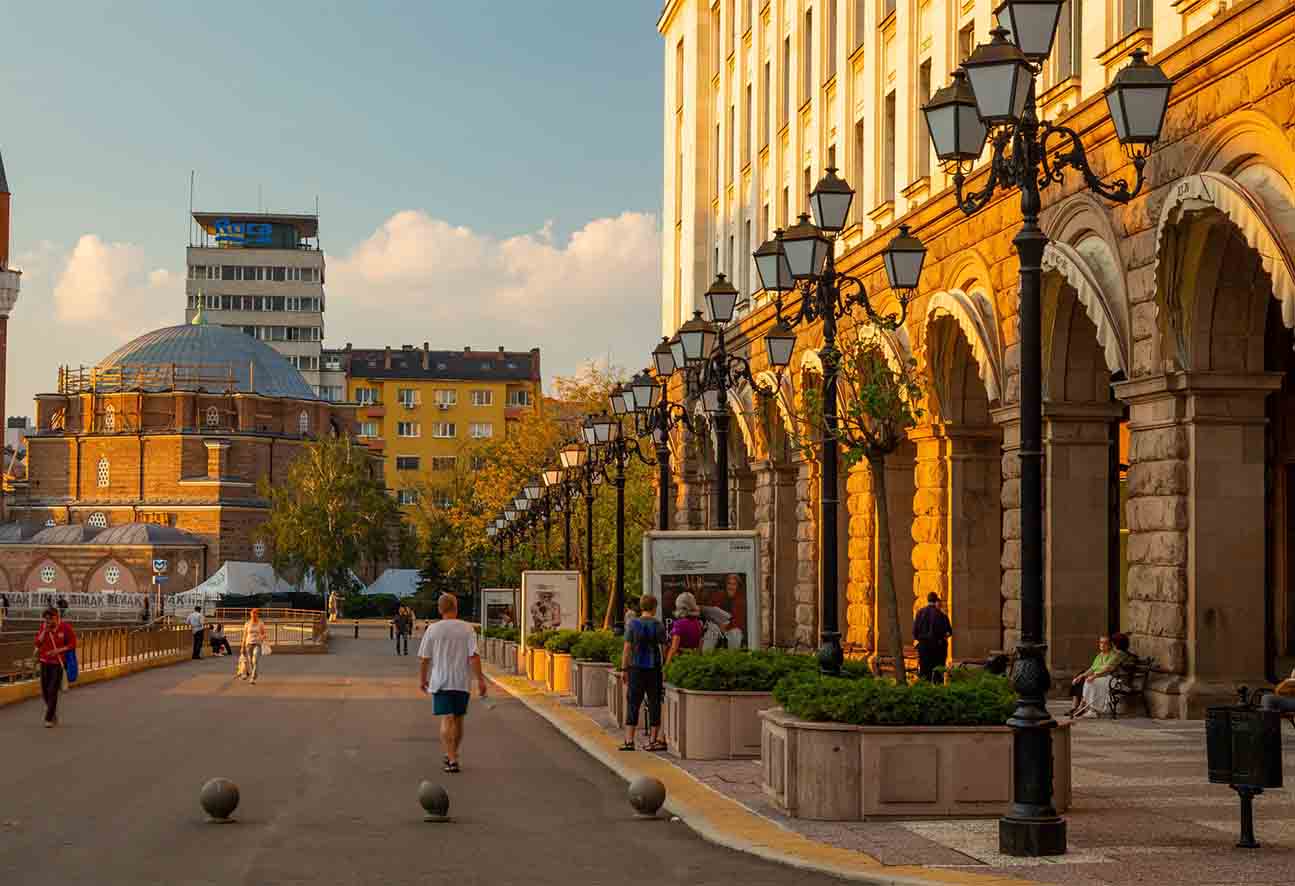
As the capital of Bulgaria, Sofia is a city filled with history and culture, boasting numerous ancient buildings, museums, and natural attractions. Every time I visit such a story-rich city, I feel incredibly excited. In this article, I will share my travel experiences in Sofia and take you through this historically significant and culturally rich city, making your trip even more perfect.
1. Sofia Overview: A City Blending History and Modernity
Located in the western part of Bulgaria, Sofia is the country’s largest city and a center for politics, culture, and economics. As one of Europe’s oldest cities, Sofia has a rich historical heritage. From the remnants of the Roman Empire to the influence of the Ottoman Empire, and its modern development, this city has witnessed the blending of various cultures.
Here, you can not only feel the charm of ancient European civilizations but also experience the vibrancy of a modern metropolis. Whether walking through ancient streets or shopping in trendy malls, Sofia offers a diverse and colorful travel experience.
2. How to Get to Sofia
Sofia is easily accessible, with its international gateway—Sofia International Airport. As Bulgaria’s largest airport, many international flights come here. The transportation from the airport to the city center is very convenient; you can choose to take an airport bus, a taxi, or the subway. A taxi ride takes about 20-30 minutes to reach the city center, while the subway takes around 30 minutes.
If you are traveling from other European cities, you can also choose to take a long-distance bus or train to Sofia. Trains and buses are relatively cheap and are ideal for budget-conscious travelers.
3. Must-Visit Attractions in Sofia
As a city with a rich historical heritage, Sofia is home to many attractions worth visiting. Here are some of my favorite sights in the city that you absolutely cannot miss.
Alexander Nevsky Cathedral
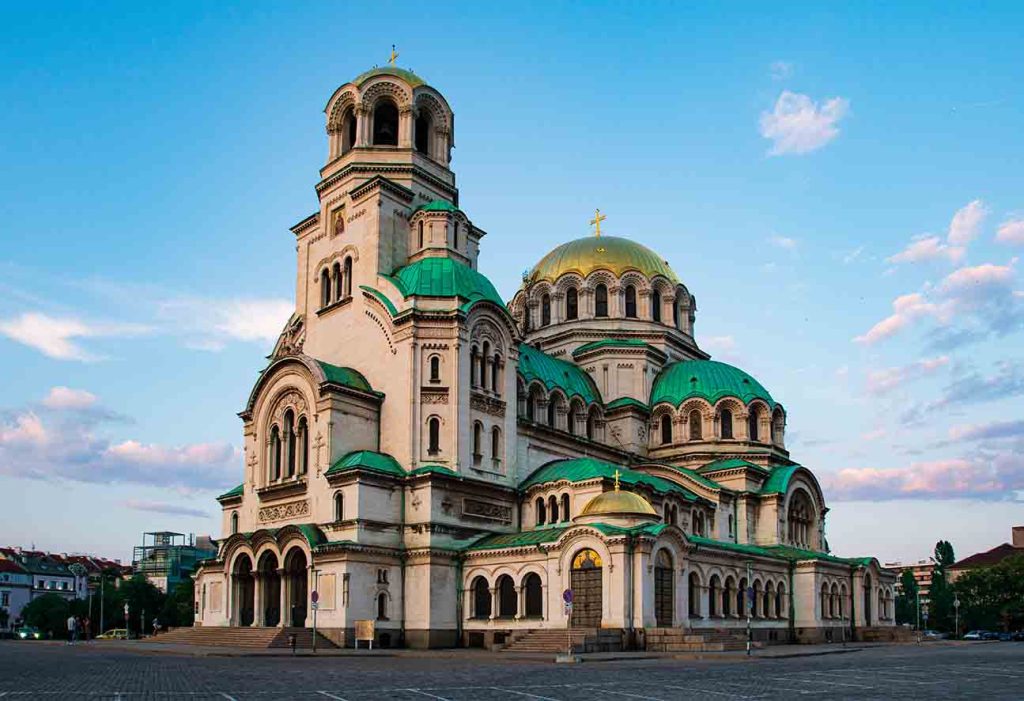
The Alexander Nevsky Cathedral is one of Sofia’s most iconic buildings and one of Bulgaria’s most important Eastern Orthodox churches. Built in the late 19th century, this cathedral is famous for its grand Byzantine style and golden domes. Inside, you will be amazed by the rich murals, mosaics, and marble floors. If you have time, consider taking a guided tour to learn about the history and culture behind the cathedral.
Sofia History Museum
If you’re interested in Bulgaria’s history, the Sofia History Museum is an excellent place to visit. It showcases historical artifacts from prehistoric times to modern history, including pottery, sculptures, weapons, and other relics. The museum also displays Bulgaria’s cultural exchanges with neighboring countries and its important role in European history.
National History Museum
Located in the city center, the National History Museum is one of Bulgaria’s largest museums, with exhibits covering the country’s political, cultural, and artistic history. The building itself is magnificent, featuring Bulgarian Revival style architecture. The museum houses a wealth of exhibits, including ancient treasures, relics, and private collections of the Bulgarian royal family.
Vitosha Mountain
If you want to escape the hustle and bustle of the city, Vitosha Mountain is the perfect choice. Only 15 kilometers from the city center, it is a popular destination for hiking and skiing. In the summer, you can hike through the mountain, enjoy the fresh air, and admire the stunning natural scenery. In the winter, you can experience skiing and snow activities.
4. Sofia’s Culinary Experience
Every time I visit a new place, trying local food is always one of the highlights. Bulgarian cuisine is rich and full of regional flavors, and Sofia is no exception. Here are a few classic dishes I’ve tried in Sofia, and I highly recommend them.
Shopska Salad
This salad is a traditional Bulgarian dish, made with tomatoes, cucumbers, onions, sweet peppers, and feta cheese. It’s a refreshing and delicious appetizer often eaten by locals in the summer. Every time I order a Shopska Salad in a restaurant, I can truly feel the authentic Bulgarian flavor.
Banitsa
Banitsa is a traditional Bulgarian breakfast pastry, usually made with filo dough and filled with cheese, spinach, or meat. It’s perfect for breakfast and goes wonderfully with a cup of rich Bulgarian yogurt—truly a perfect combination.
Bulgarian Yogurt

Bulgarian yogurt is a world-famous traditional delicacy. It’s loved globally for its unique taste and high probiotic content. In Sofia, you can easily find many restaurants and cafes serving this delicious yogurt.
5. Shopping Recommendations in Sofia
Sofia is a paradise for shopping enthusiasts, with both modern shopping malls and traditional markets. Here, you can not only buy products from international brands but also find local handmade crafts.
Vitosha Boulevard
Vitosha Boulevard is one of the most famous shopping streets in Sofia, lined with many fashion brand stores, restaurants, and cafes. As you stroll along the street, you can purchase items from international brands, including clothing, accessories, and footwear, or relax at an outdoor café, enjoying the beautiful street views.
Traditional Markets
If you want to experience local traditional markets, Bulgarska Pazar Market is a good choice. It offers a variety of local products, such as handcrafted items, souvenirs, spices, and food. You can pick up some unique gifts here to take home as mementos.
6. Sofia’s Nightlife
Sofia’s nightlife is vibrant, with restaurants, bars, and nightclubs becoming lively after dark. Whether you prefer a quiet drink or dancing the night away, Sofia can cater to all your desires.
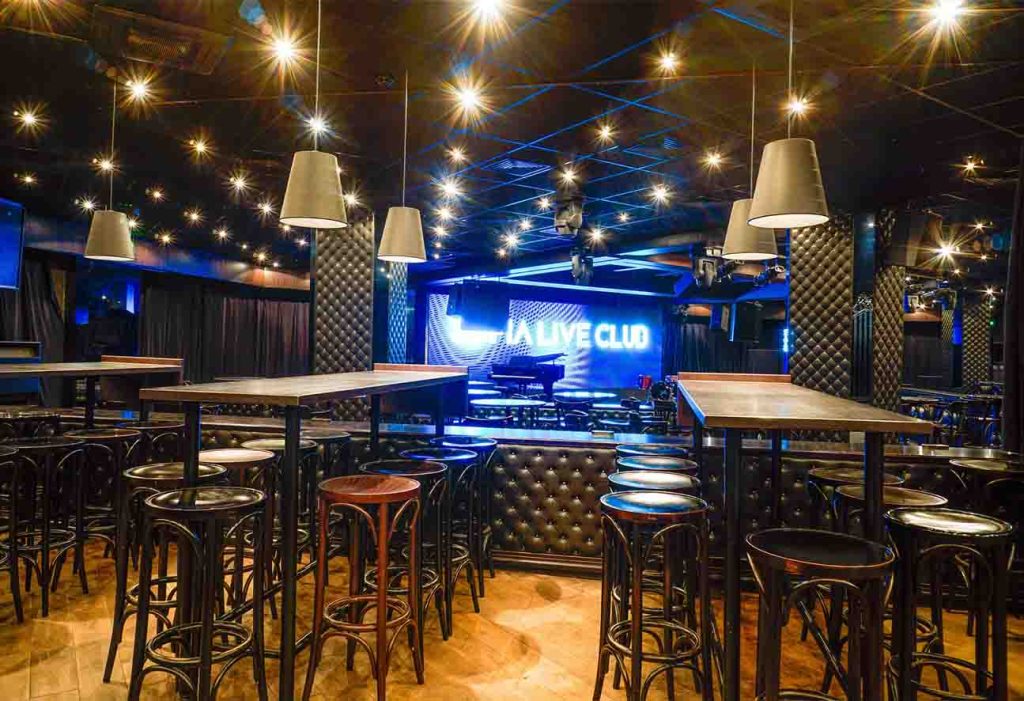
Bars and Nightclubs
If you like bars and nightclubs, Sofia’s bar district is definitely your ideal destination. There are various bars, nightclubs, and restaurants offering a wide range of drinks and delicious food, perfect for gathering with friends.
Cultural Activities
For those who want to experience a more cultural vibe at night, you can visit Sofia’s opera house or theater. The city often hosts concerts, dance performances, and theater shows, perfect for art and culture lovers.
7. Travel Tips
- Local Transportation: Sofia’s public transportation system includes subways, trams, and buses, which are cheap and convenient. It’s recommended to buy a transport card for easier travel.
- Currency: The local currency in Bulgaria is the Lev (BGN), although many places also accept euros. However, it’s advisable to carry some Lev cash.
- Language: The official language of Bulgaria is Bulgarian, though many people in main attractions and restaurants can speak English.
- Safety: Sofia is a relatively safe city, but like most tourist destinations, be cautious with your wallet and valuables.
Sofia is a captivating travel destination. It not only offers rich history and culture but also beautiful natural landscapes and unique food experiences. Through this guide, I hope to provide useful information to help you plan a perfect trip to Sofia. Whether it’s historical landmarks, natural attractions, or food and shopping, Sofia has something to offer for every traveler. I hope you have an unforgettable holiday in this remarkable city!